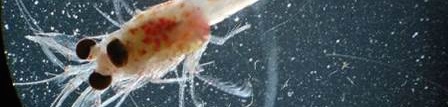
Invasive species, non-native organisms that spread rapidly and disrupt ecosystems, pose serious risks to biodiversity, infrastructure, and regional economies. Species such as sea lampreys, and zebra and quagga mussels have caused billions of dollars in damages and fundamentally changed the Great Lakes ecosystem. Invasive carp have done the same to the Mississippi River basin, and threaten to invade the lakes. As climate change expands the range of invasive species, making the Great Lakes more vulnerable to invasion, NEMWI is committed to developing sound policy to combat them.
This work builds on the Institute’s long-standing expertise in aquatic invasive species and seeks to address broader environmental challenges across both water and land systems. For over 30 years, NEMWI has conducted policy research on invasive species, particularly to prevent waterborne introduction of AIS through the Great Ships Initiative.
ACHIEVEMENTS AND IMPACTS
Briefings, Updates, and Webinars
NEMWI engages policymakers, researchers, and regional stakeholders through briefings, convenings, and collaborative discussions focused on shipping, trade, and the prevention of aquatic invasive species. These activities support informed policy decisions and promote environmentally responsible trade practices.
- NEMWI and GLFC Host Lamprey Event in Senate
- NEMWI and GLFC Host Lamprey Event on Capitol Hill
- Webinar: Invasive Carp Management
- Primer: Keeping Invasive Carp Out of the Great Lakes
- Webinar on 2021 Invasive Carp Action Plan