
Policy Areas
-
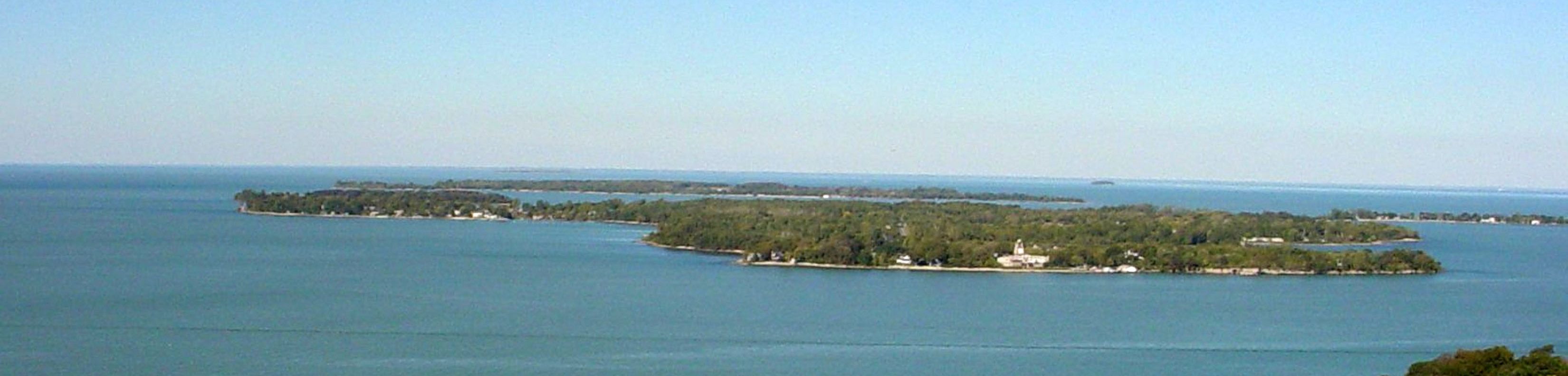
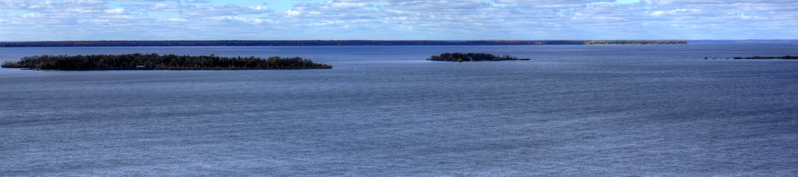
Restoring Our Great Waters
Restoring and protecting the region’s Great Waters – the Great Lakes and other Great Waters – is a high priority at the Institute. The Institute conducts research and provides support to ecosystem protection and restoration advocates.
View more -
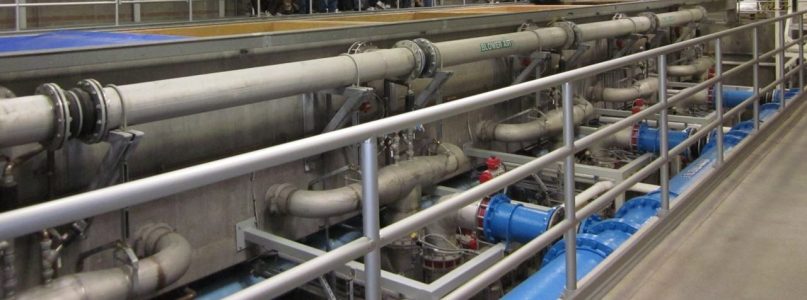
Safe Drinking Water
The Safe Drinking Water Research and Policy Program (SDWRPP) was launched in November of 2016 at the Northeast-Midwest Institute and builds on the Institute’s long-standing engagement in water quality research, policy analysis, and education and outreach relating to water quality and safe drinking water…
View more -
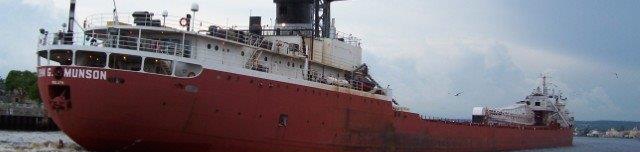
Waterborne Trade & Preventing Invasive Species
The goal to advance “clean trade” in the region and beyond, especially through the prevention and management of aquatic invasive species in waterborne commerce, is an area of Institute expertise dating to the 1990’s.
View more -

Revitalizing Older Cities
The region’s cities are at a crossroads: even as residents and leaders are beginning to capitalize on their cities’ many assets, they continue to face population decline, business relocations and closures, and other urban challenges.
View more -

Growing Manufacturing & Workforce
Responding to the challenges facing the industrial and transportation centers of the region as they have suffered from population decline and lack of traditional employment opportunities, the Institute is exploring innovative policy directions.
View more -
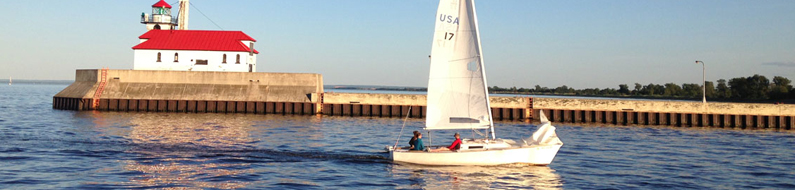
Improving Water, Waterways & Water Infrastructure
With our water threatened by human impacts, degraded water quality is the greatest threat to regional water availability. Yet an ample supply of quality water is dependent on managing and protecting it.
View more -
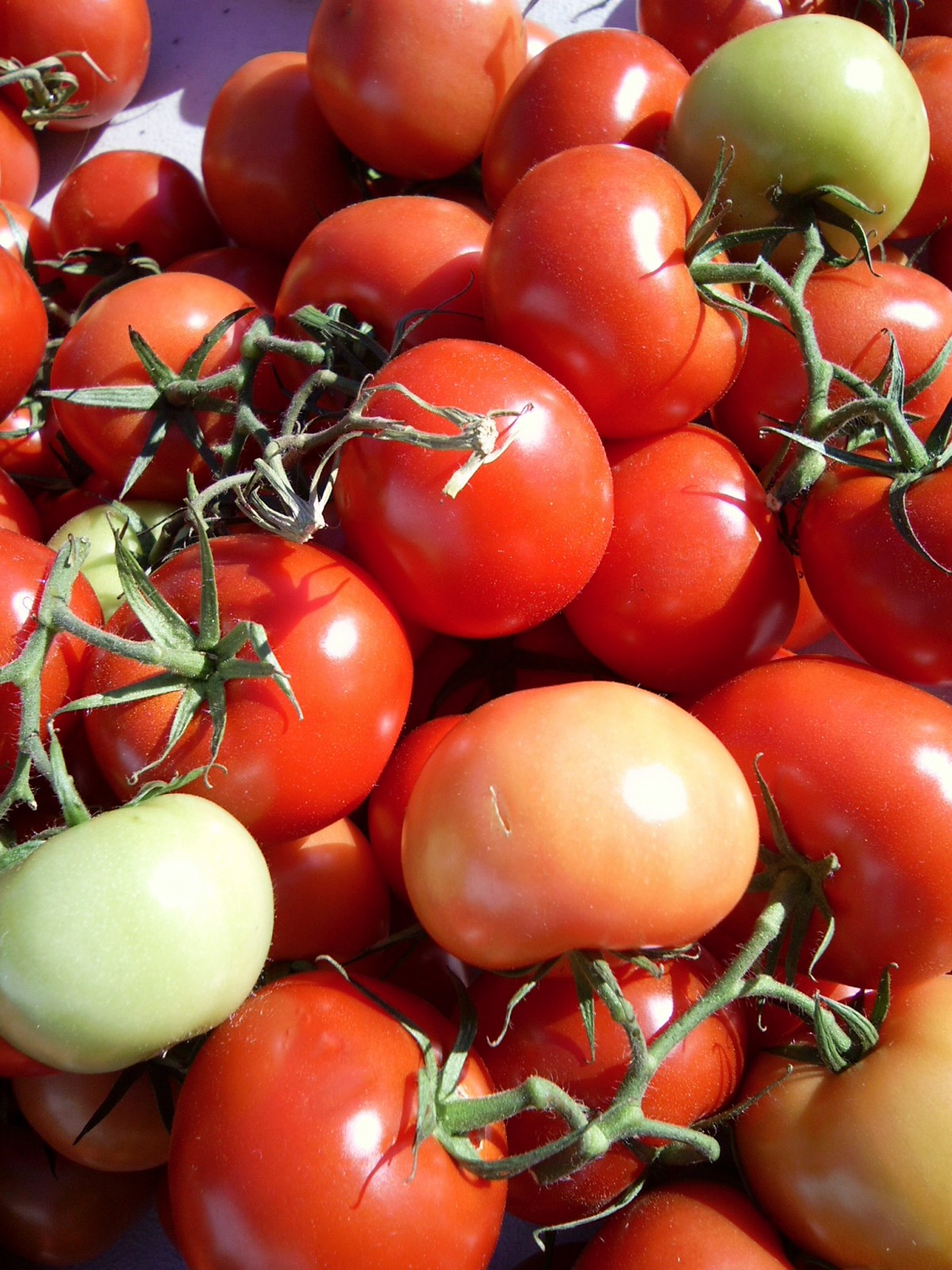
Sustaining Agriculture & a Healthy Food Supply
As states in the region lose hundreds of acres of farmland each day, the Institute takes a systems approach to farm and food policy by developing policy recommendations that build links between producers and consumers.
View more
Featured Reports
-
NEMWI Releases Analysis of FY 2024 Appropriations
-
NEMWI Releases Report on Greenhouse Gas Reduction Fund
-
Federal Great Lakes and Water Legislation Tracker, 2023-24
-
Federal Manufacturing Legislation Tracker, 2023-24
-
NEMWI Releases Research Brief on Social Equity and Environmental Justice
-
Scorecard: Climate Change Remediation Policies in Northeast and Midwest States
-
Report: Lead Service Line Replacement Under the Bipartisan Infrastructure Law
-
Report: Congressional Oversight of the Bipartisan Infrastructure Law